
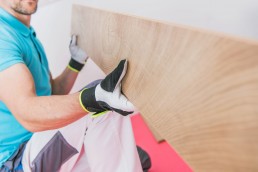
How to Install Hardwood Flooring?
Completing your own home renovation project can be extremely rewarding and can help cut down on your overall costs. New floor installation or replacement is a popular project that homeowners may feel comfortable taking on themselves. Hardwood flooring and engineered hardwood flooring is a very popular flooring option, as it provides added warmth and style to any room.
Below we will review the basic steps to installing hardwood flooring utilizing the glue-down method. Note this is not a comprehensive guide, but rather an overview.
Installation Methods
There are three main methods to installing hardwood and engineered hardwood:
1) Glue-down – This installation begins by clicking the flooring together and then securing the flooring down using glue or adhesive.
2) Click-lock – Otherwise known as floating floor installation is one of the most common methods utilized for engineered wood flooring. The flooring is held together by clicking the flooring into each other.
3) Nail-down – This method is the most durable as the floor is held in place with nails. The nails are not visible upon installation. This method requires you to have a wooden subfloor for the nails to hold to.
Preparation
If you are replacing an existing floor, begin by removing the baseboards and the old flooring. Once you have cleared the space and cleaned up any debris, inspect your subfloor to ensure it is level. You may need to sand down or fill in any uneven spots.
Once your subfloor is prepared, lay down a moisture barrier such as a silicone vapor shield. This will help protect your flooring and even reduce noise.
Racking The Board
This entails mixing the boards from different boxes in order to avoid potential dark or light areas in your floor. You will also have the opportunity to sort the boards in order of installation, so that you can ensure different length boards are being used to avoid the joints of different rows from lining up. Finally, it is a good idea to install your hardwood perpendicular to your floor joists for added support.
Glue-down Installation
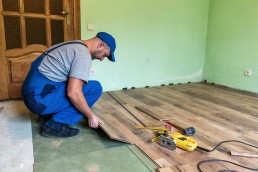
With your subfloor prepped and ready to go, begin by spreading out a thin layer of floor adhesive. It’s a good idea to spread it one section at a time, so the adhesive doesn't dry before you have a chance to lay down the flooring. Once you have laid down the first row, gently tap the second row boards into the groove of the first row using a rubber mallet. Once the second row is complete, move on to the third row and so forth. Take the time to make sure the rows are flush with each other and the boards are all tightly clipped in to one another.
Once the final row is installed, you can install the baseboards to cover the small gaps at the ends of your flooring.
There you have it, you've successfully installed hardwood flooring in your home.
Congratulations!

Hardwood Flooring Vs. Vinyl Flooring
Two of the most popular flooring options available to homeowners today is Hardwood and Vinyl. Hardwood flooring can be manufactured from a single piece of wood or it can be engineered utilizing several layers of wood. Vinyl is made from synthetic materials and consists of a single layer over rubber. At a quick glance, hardwood is favoured for its durability, longevity, and aesthetic delight. Hardwood has been a primary flooring choice in countless Canadian homes. But with the higher price tag associated with hardwood, many homeowners look for other cost-effective flooring options, and this is where vinyl flooring shines. Not only is it a relatively cheaper option that can be installed quickly and need very minimal upkeep.
Both flooring types have their upsides and drawbacks, if you are contemplating either of these two options for your flooring we will be highlighting their differences below.
Durability
When you are comparing durability, people may have different expectations of the comparison. If you are comparing lifespan, hardwood has an edge on vinyl as most damage associated to wear and tear can be eliminated once the flooring is refinished. Where, once vinyl is worn through, you have no option but to replace. Day to day usage, vinyl has the edge here as the finish on hardwood is susceptible to scuffs and damage from shoes, pets, and dirt particles.
The biggest differentiator in durability is each material's ability to resist moisture. Hardwood floors can easily suffer water damage if there is a lot of moisture, or if spills are not cleaned up in a timely manner. Vinyl is resistant to moisture, so there are no worries about damage, especially in areas of your home that may have spills.
Appearance
Hardwood is widely considered the most attractive flooring option as the natural grains and shades of the wood itself shine through. Hardwood comes in a range of natural colour tones from light blond to dark brown and even reddish tones depending on the type of wood used. However, you can’t discount the appearance of vinyl, the latest planks are available in a wide range of textures and dyes that can perfectly mimic even the most expensive hardwood flooring. After vinyl has been professionally installed, it is difficult to tell the difference between it and hardwood.
Cost
Vinyl is the more cost-effective flooring option as both the installation and the materials are less expensive than hardwood. With vinyl floors you experience an initial savings versus installing hardwood, but there is no residual value as vinyl flooring will not help to increase your property value at all. The price of hardwood varies drastically depending on the type of wood chosen, installation is also a little more complex than vinyl so that will drive the overall price of choosing a new hardwood floor up slightly. However, where you can justify the higher cost of hardwood flooring is your return on investment. Hardwood adds to the overall value of your home and it will last longer than vinyl, meaning you won’t need to replace it as often. If you can swallow the initial cost of installing hardwood, you will benefit significantly more ion the long run.
Installation
No matter what type of flooring you choose, we suggest opting for professional installation as this will guarantee the best result, however any proficient do it yourselfer can install either hardwood or vinyl flooring with the proper tools. Both hardwood and Vinyl can be installed on top of a cement foundation or wooden subfloors, if the foundation is not perfectly level vinyl is a little more forgiving as it has more flex than hardwood. Vinyl can also be installed directly over existing flooring, as long as the area has been cleaned to allow for the adhesive on the back to stick properly. This adhesive also makes it difficult to remove if you choose to change flooring again.
Upkeep
Maintaining your hardwood floors is a little more tasking than vinyl. Because hardwood is susceptible to moisture damage you should use specially formulated cleaners designed specifically for hardwood. You should also protect your hardwood floor from potential damage caused by furniture by padding the legs of your chairs and tables. Vinyl flooring on the other hand requires little special care, regular sweeping, vacuuming, and mopping is all that’s needed, and no specially formulated cleaners are required. To prevent unwanted wear in high traffic areas, consider using strategically placed rugs.
When choosing between Hardwood or Vinyl flooring, both options have their upsides and drawbacks. The choice ultimately comes down to your personal taste, the rooms being floored, and your overall budget.
What are the Benefits of Hardwood Flooring?
While the initial cost of installing hardwood flooring may be higher than other flooring options, it is most certainly a worthwhile investment. Hardwood flooring adds charm, character and a timeless style to your home. It also offers several tangible advantages over other types of flooring materials you have to choose from. When properly maintained and cared for, hardwood flooring can last a lifetime with only relatively minor signs of wear and tear.
Below, our experts have outlined 4 principal benefits of hardwood flooring:
DURABILITY
All types of hardwood flooring, whether solid wood or engineered hardwood are highly durable
and resistant to everyday wear and tear. It is possible to scratch or even dent your hardwood, but this won’t be because of regular foot traffic. Due to the nature of the natural material they hold the warm temperatures significantly better than most man-made flooring such as laminate, tile or vinyl floors. So, underfoot they are much more comfortable, especially in the colder months of the year.
MAINTENANCE & HYGIENE
General maintenance and cleaning of wooden floors are relatively easy. Hardwood floors are fairly resistant to spills and dirt, so simply wiping up, mopping or simply sweeping away any dirt should do the trick. Knowing that most household items will not damage or stain your flooring provides peace of mind for homeowners with children or pets. One note of caution, wood flooring can absorb liquid and moisture and this may lead to damage, so clean up any spills as soon as possible. Pet owners and allergy sufferers will particularly benefit from hardwood flooring, as they do not harbour parasites such as fleas, dust mites, ticks or allergen producing spores. Also, unpleasant odours caused by pets or liquids that have been spilt will not be a concern, thanks to the ease of cleaning your hardwood floors.
TIMELESS STYLE
The timeless appeal of hardwood flooring is one of the main attributes that attracts homeowners. Unlike other flooring options, hardwood doesn’t have patterns or styles that may go in and out of fashion. As no one plank of wood has the same grain there will always be slight design and shade variances that add a further authentic, natural appeal to your flooring. Wood flooring has been utilized throughout homes for centuries, and you can rest assured that it will continue to be used for years to come. If you would like to change the look of your flooring or if they begin to look slightly worn after years of use, you can always have your floors sanded and re-stained, bringing back your floor's original lustre.
GREAT INVESTMENT
Price and budget may be an important factor when purchasing your flooring material. Hardwood flooring comes in a wide spectrum of styles and raw material types creating various price brackets, from inexpensive to significantly pricier options. With a wide array of options, you should be easily able to find something that fits your style and budget. Wood floors should be considered as an investment in your home. The aesthetic appeal and character adding properties of hardwood flooring will add to the overall value of your property, and the ease of maintenance will help you save time and money when cleaning, as harsh cleaning chemicals are not needed or recommended. Finally, as a durable and long-lasting flooring option, hardwood floors will eliminate the need to replace your flooring several years down the road, saving you further costs of replacing your flooring in 10-15 years.
What is the Best Way to Maintain Hardwood Floors
Maintaining your hardwood flooring in shiny, pristine condition isn't as difficult of a task as the majority of homeowners may think. It doesn't matter if your wood flooring is made from solid, engineered, or reclaimed wood, the maintenance routine is the same and quite simple and easy to execute. As a matter of fact, simple cleaning is the biggest secret to keeping your hardwood floors looking gorgeous.
Hardwood floors are long-lasting, striking and timeless and show beautifully when maintained properly. While cleaning your hardwood flooring might not be extremely difficult, there are certain steps that are key to getting it done right.
Below are 5 ways you can easily maintain your hardwood flooring;
KEEP THEM DRY
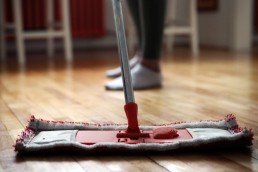
Wood can absorb water, and when that happens the wood can swell and crack. With this in mind, it is important to clean up any spills or liquid immediately from your hardwood floors. This doesn’t mean you can’t mop your hardwood floors, but you should use a damp mop versus one that is saturated with water. On the same note, you should avoid using steam cleaners on your hardwood, as the steam can enter the woods with small crevasses and can lead to damage.
WATCH HOW THE WOOD REACTS
Changes to temperature and humidity can have drastic effects on your hardwood flooring, and your flooring will show you this by reacting to the change. By paying attention to your flooring you can notice changes us as bowing wood, or cracking which could be an indication that your flooring is absorbing to much moisture. If the spaces between your wood planks look as if they are wider than they used to be, this could be an indication of low humidity.
CHOOSE YOUR CLEANING PRODUCTS WISELY
There are plenty of hardwood floor cleaning products available on the market, so when it comes to choosing the right product for your floors, there really isn’t a rule of thumb to go by. Different finish types require different forms of care, so ask your local flooring expert or refer to the manufacturer for their cleaning product recommendations.
There may not be a universal cleaning product for all hardwood flooring, but there is a must avoid for all hardwood, and that’s any cleaning product that is made of harsh chemicals. As these can damage and even strip the finish of your wood.
TOUCH UP SURFACE SCRATCHES
You can’t prevent scratches from occurring, small surface scratches and the occasional unsightly scratch are painful to see, but are a reality of hardwood. You can fill in or cover these scratches up using a colour-matched stain marker or crayon. Hardwood floor repair/coverup kits are readily available and can be picked up at your local hardware or flooring store.
RECOAT
When your hardwood floor begins to show signs of wear, it may be time to step in and recoat. Don’t worry, this process doesn’t involve sanding. You will actually apply a new coat of finish to the top of the hardwood, bringing back the floor's original lustre and reviving the finish. A recoat will extend the hardwood’s lifespan, by adding a protective layer on top of your flooring.
Keeping your hardwood floors looking amazing for years, isn’t difficult when you know the right steps to take. Taking on small tasks often, such as sweeping, light moping, and filling in scratches will help you pay attention to your floors allowing you to notice any changes more quickly, and is the best way to maintain your floors.
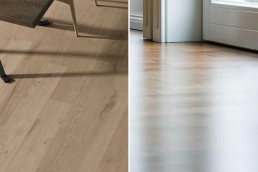
Which is Better: Hardwood or Laminate Flooring?
While most experts often refer to hardwood flooring as one of the best flooring options, laminate flooring does have its own unique features and key benefits. With hardwood flooring occupying the top spot when it comes to plank flooring, laminate flooring isn't too far behind. Most homeowners, builders and flooring experts consider laminate flooring to be the next best thing to hardwood flooring in terms of quality, durability and aesthetics.
Choosing between hardwood and laminate flooring isn’t always an easy decision, even when you know their unique qualities.
To help you with your decision, our experts have outlined 5 important flooring qualities below, comparing hardwood and laminate.
Appearance
When it comes to natural beauty, solid hardwood flooring is unmatched. No matter the shade, hardwood floors are known to have impeccable aesthetics. This is even true with less expensive species of hardwood, as they still boast a unique grain that adds character to your flooring. Today’s laminate floors mimic solid hardwood flooring very well, some even recreate the unique character and grain of real hardwood. However, this may not be as predominant with all available laminate flooring, and with closer inspection, you can notice the subtle differences from real hardwood.
Water and Heat Resistance
Both laminate and hardwood floors absorb moisture and can be susceptible to damage when exposed for prolonged periods of time. This, therefore, makes neither laminate nor solid hardwood a suitable flooring material in humid or overly wet locations. Laminate flooring handles moisture somewhat better than hardwood and won't swell or bow in moist conditions.
Care and Cleaning
Both hardwood and laminate flooring are quite easy to clean. Hardwood flooring can be cleaned either by sweeping or vacuuming. If in need of something more thorough, damp-mopping with a wood flooring cleaning solution will definitely give you that shiny look you strive for. Laminate floors can also be cleaned with a vacuum or broom, mopping a laminate floor should be done with a damp mop as well. When cleaning both laminate and hardwood floors, avoid the use of excess water and harsh chemicals.
Durability and Maintenance
Durability and maintenance are part of the conversation with any flooring type. However, when comparing hardwood and laminate flooring you need to give the edge to hardwood. When properly maintained and cared for hardwood flooring can last a lifetime. Properly installed laminate has a life expectancy of 15 to 25 years but can last longer with proper care. Laminate is considered the more durable material as it is made of pressed wood, it has a higher resistance to scratches and wear-and-tear. Unlike hardwood floors, when seriously damaged, laminate floors cannot be refinished or sanded. They need to be completely replaced. The maintenance routine for both is very similar, periodic observation and cleaning is required. When observing your floors, look for areas that may show signs of wear or damage, such as shifting planks, cracks, dents, chips, swelling and other damage indicators.
Both hardwood and laminate flooring have their strengths and limitations, but when it comes to naming one flooring option as the better choice, it’s not a one over the other answer. Selecting the right flooring for your project depends on the features that matter to you and that will fit best in the space you are utilizing them for. Hopefully, the qualities we have outlined above will help you choose which is best for you.