
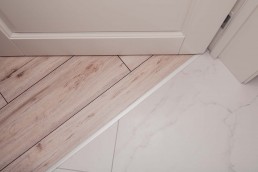
How to Choose the Best Luxury Vinyl Plank Flooring for Your Peterborough Home
Luxury vinyl plank flooring has become a favourite for homeowners who want the look of wood with straightforward maintenance and strong everyday durability. Yet the number of choices can be confusing. Two planks may look almost identical in a display, while their construction, wear layer, installation requirements and warranty are very different.
If you are shopping for LVP flooring in Peterborough, this guide will help you look beyond colour and choose a product suited to your room, household and long-term expectations.
What is luxury vinyl plank flooring?
Luxury vinyl plank, commonly called LVP, is a resilient floor made in plank form to recreate the appearance of hardwood. A typical product includes a structural core, a printed design layer, a transparent wear layer and a protective surface coating. Some products also include an attached pad.
The result is a wide selection of wood tones, grain patterns and plank sizes without the same moisture sensitivity as natural hardwood. LVP is often considered for kitchens, bathrooms, laundry rooms, entryways, finished basements and busy family spaces.
Seven things to compare before buying LVP
1. The wear layer
The wear layer is the clear protective layer above the printed design. It helps protect the floor from scuffs, stains and everyday traffic. A thicker wear layer can be useful in busy homes and light-commercial settings, but thickness alone does not determine quality. The surface coating, core, locking system, installation and maintenance also matter.
Ask a flooring specialist to explain the wear-layer measurement, the recommended use and what the warranty actually covers. Choose for the traffic in your home rather than buying solely by the largest number on the label.
2. Core construction
Rigid-core LVP is popular because it feels substantial and can help the floor remain stable under normal household conditions. Common categories include stone-plastic composite and wood-plastic composite constructions, often abbreviated SPC and WPC. SPC is typically denser, while WPC often feels slightly more cushioned underfoot. Exact performance varies by manufacturer.
The right core depends on the room, comfort preference and subfloor. A sample should be evaluated as a complete product, not just by the three-letter label on the box.
3. Waterproof versus water-resistant performance
Many LVP products are marketed as waterproof because the planks themselves do not absorb water like hardwood. That does not make the entire room waterproof. Water can still reach the subfloor at walls, transitions or penetrations, and flooding can require the floor to be removed so the structure can dry.
For kitchens, bathrooms, laundry rooms and basements, confirm the manufacturer's approved locations, installation instructions and warranty exclusions. Good product selection must be paired with a sound, dry and properly prepared subfloor.
4. Plank thickness and attached underlayment
Overall thickness can affect the feel of the floor and how it meets adjoining surfaces. An attached pad may improve comfort, reduce sound and simplify product selection, but additional underlayment should never be added unless the manufacturer permits it. Too much cushioning can stress a click-lock joint.
5. Locking system and installation method
Click-lock LVP is commonly installed as a floating floor, while glue-down products are often selected where rolling loads, large open areas or damaged-plank replacement are important considerations. Each method has different subfloor, expansion and transition requirements.
LVP is sometimes described as an easy do-it-yourself floor, but careful layout and preparation still determine the result. Uneven subfloors can lead to movement, noise, joint damage or visible imperfections. Professional installation can be especially valuable around stairs, doorways, cabinets, islands and multiple connected rooms.
6. Pattern, colour and realism
High-quality LVP uses detailed printing, texture and variation to create a convincing wood look. Pay attention to how frequently the printed pattern repeats. More visual variation can make a larger room feel natural and reduce obvious duplicate boards.
Mid-tone floors are often forgiving in homes with pets or children because they can disguise dust, crumbs and minor marks better than very dark or very light colours. Bring samples home and view them in daylight and evening lighting before deciding.
7. Warranty and care requirements
A long warranty sounds reassuring, but the details matter more than the headline. Review approved rooms, subfloor requirements, direct-sunlight limitations, rolling-load rules, temperature ranges, required transitions and cleaning instructions. Keep purchase and installation records in case a future claim requires them.
Where does LVP work best?
Finished basements: moisture-tolerant construction makes LVP a popular option, but the concrete and room must still be evaluated for moisture and flatness.
Kitchens and dining areas: easy cleanup and strong visual continuity make LVP useful in open-concept spaces.
Bathrooms and laundry rooms: choose a product approved for the application and protect the room from leaks at fixtures and appliances.
Entryways and family rooms: consider a durable wear layer, effective entrance mats and furniture protectors for high-traffic areas.
Homes with pets: scratch resistance and easy cleaning are advantages, but no floor is scratch-proof. Keep nails trimmed and clean grit promptly.
Common LVP buying mistakes to avoid
Choosing by colour alone without comparing the core, wear layer, locking system and warranty.
Assuming a floating floor will hide an uneven or damaged subfloor.
Treating waterproof planks as permission to ignore leaks or basement moisture.
Installing permanent cabinets or islands over a floating floor when the manufacturer does not permit it.
Skipping transitions, perimeter gaps or acclimation instructions required for the selected product.
Using steam, abrasive tools or unapproved cleaners that can damage the finish.
Frequently asked questions
Is LVP a good choice for homes with dogs?
- LVP is popular in pet-friendly homes because it is easy to clean and many products resist everyday scratches and stains. Performance varies, so compare the wear layer, finish and warranty, and remember that no flooring is completely scratch-proof.
Can LVP be installed over an existing floor?
- Sometimes. The existing surface must be stable, flat, dry, clean and permitted by the LVP manufacturer. Height changes, transitions and telegraphing from the old floor also need to be considered.
How long does LVP flooring last?
- Service life depends on product quality, traffic, installation, maintenance and site conditions. Instead of relying on a single lifespan estimate, compare the product specification and warranty with the demands of your household.
Is LVP better than hardwood?
- Neither is universally better. LVP prioritizes moisture tolerance, durability and easy care, while hardwood offers genuine natural variation and refinishing potential. The best option depends on the room, budget and design goal.
Shop LVP flooring in Peterborough with expert guidance
- The best luxury vinyl plank is not necessarily the thickest, darkest or most expensive product. It is the floor whose construction, appearance, installation method and warranty match the realities of your home. Comparing samples with an experienced local flooring specialist can prevent costly guesswork.
Ready to compare flooring options in person?
Visit Focus Flooring Centre's Peterborough showroom at 6-774 Rye Street to compare LVP colours, cores, wear layers and installation options. The team provides full-service flooring solutions, including removal and disposal of old flooring, delivery and professional installation in Peterborough and surrounding areas.
Book a consultation with Focus Flooring Centre
focusflooringcentre.com | 6-774 Rye St, Peterborough, ON | 705-876-0795

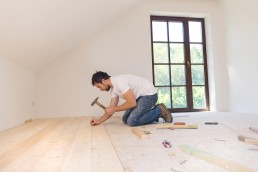
Solid vs. Engineered Hardwood Flooring: What Works Best in Peterborough Homes?
Hardwood flooring brings warmth, character and lasting value to a home. But once you begin shopping, an important question appears quickly: should you choose solid hardwood or engineered hardwood? Both are made with real wood and both can create a beautiful result, but they are built differently and perform best in different conditions.
For homeowners comparing hardwood flooring in Peterborough, the right choice depends on the room, the subfloor, household activity and the look you want to achieve. This guide explains the practical differences so you can shop with confidence.
What is solid hardwood flooring?
Solid hardwood flooring is milled from a single piece of wood. It is valued for its natural appearance, substantial feel and long service life. Depending on the product and its remaining wear surface, solid hardwood may be sanded and refinished more than once over the course of its life.
Because it is natural wood from top to bottom, solid hardwood responds to changes in indoor humidity. It can expand when humidity rises and contract when the air becomes dry. Proper acclimation, installation and indoor humidity control are therefore important, particularly through Ontario's changing seasons.
What is engineered hardwood flooring?
Engineered hardwood has a real hardwood wear layer bonded over a stable, layered core. From above, it provides the genuine grain, colour and variation people expect from wood flooring. Its layered construction, however, gives it greater dimensional stability than many solid products.
That stability can make engineered hardwood a practical option for more installation conditions, including certain concrete subfloors and some below-grade applications when the manufacturer permits them. Product specifications vary, so the installation method and approved locations should always be confirmed before purchase.
Solid hardwood vs. engineered hardwood: the key differences
1. Appearance and design
There is no automatic visual winner. Both options use real wood and are available in popular species, colours, plank widths, textures and finishes. Focus Flooring Centre carries versatile hardwood choices including oak, ash, maple and cherry, making it possible to coordinate the floor with both traditional and contemporary interiors.
If you prefer wider planks, engineered construction is often worth exploring because its stability can be an advantage as board width increases. The best decision comes from comparing full-size samples under the lighting in your own home.
2. Seasonal stability
Peterborough homes experience heating-season dryness, humid summers and meaningful temperature changes. Solid hardwood can perform very well when it is installed correctly and the home's humidity is managed. Engineered hardwood is generally less reactive to these changes because of its layered core.
That does not make engineered wood waterproof. Spills should still be wiped up promptly, leaks need immediate attention, and every product's care instructions should be followed.
3. Installation location
Solid hardwood is commonly installed above grade over an appropriate wood subfloor. Engineered hardwood may offer more flexibility because some products can be nailed, stapled, glued or floated, depending on the manufacturer and subfloor.
Before choosing either option, have the floor area assessed. Subfloor flatness, moisture conditions, transitions, existing flooring and door clearances can all affect the recommended product and installation plan.
4. Refinishing potential
Solid hardwood is often chosen for its long-term refinishing potential. Engineered hardwood may also be refinished, but the number of times depends on the thickness of the real-wood wear layer and the product's construction. If refinishing is important to your long-term plan, ask about the wear layer rather than assuming all engineered products are the same.
5. Budget and total project cost
Material price is only one part of a flooring budget. Removal and disposal of the old floor, subfloor preparation, transitions, trim, delivery and installation can all affect the total. A higher-priced product that suits the room and installation conditions may offer better value than a lower-priced floor that creates compromises later.
Which hardwood is best for each room?
Living rooms and dining rooms: solid or engineered hardwood can both be excellent choices when the subfloor and environment are suitable.
Bedrooms and upper floors: either construction can add warmth and a quieter visual feel; consider the subfloor and desired installation method.
Kitchens: hardwood can work, but quick spill cleanup and protection around sinks, dishwashers and entrances are essential.
Basements: engineered hardwood may be an option when specifically approved, but moisture conditions must be evaluated first. LVP may be the more practical choice in moisture-prone spaces.
Busy family homes: focus on species hardness, finish quality, colour variation and the ability of the surface to disguise everyday wear.
How to choose hardwood flooring with confidence
Start with the room rather than the sample. A flooring specialist should understand where the product will be installed, what is beneath the existing floor, how much traffic the room receives and whether pets or children are part of daily life. Then compare the construction, species, finish, plank width, maintenance requirements and warranty.
It is also helpful to bring photos, measurements and design references to the showroom. Samples can look different under warm and cool lighting, so ask whether you can view promising options in your space before making a final decision.
Frequently asked questions
Is engineered hardwood real wood?
- Yes. Engineered hardwood has a genuine hardwood surface over a layered core. It should not be confused with laminate or wood-look vinyl.
Which option is better for Peterborough winters?
- Both can perform well in a properly conditioned home. Engineered hardwood is generally more dimensionally stable, while solid hardwood benefits from careful humidity management during the heating season.
Can hardwood flooring be installed over concrete?
- Some engineered hardwood products are designed for installation over properly prepared concrete. The slab, moisture readings, adhesive or underlayment, and manufacturer requirements must all be reviewed.
Does hardwood increase home value?
- Hardwood is widely valued for its natural appearance, durability and ability to complement many design styles. The effect on resale varies by home, market, product quality and installation.
Explore hardwood flooring in Peterborough
- There is no single best hardwood floor for every home. Solid hardwood offers tradition and strong refinishing potential, while engineered hardwood adds flexibility and stability across a broader range of conditions. The best choice is the one matched carefully to your room, subfloor, lifestyle and budget.
| Ready to compare flooring options in person?
Visit the Peterborough showroom at 6-774 Rye Street to compare hardwood species, colours and constructions. Focus Flooring Centre can help with product selection, removal of existing flooring, delivery and professional installation in Peterborough and surrounding areas. |
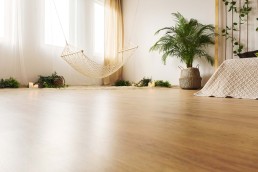
How to Choose the Best Luxury Vinyl Plank Flooring for Your Peterborough Home
If you are shopping for LVP flooring in Peterborough, this guide will help you look beyond colour and choose a product suited to your room, household and long-term expectations.
What is luxury vinyl plank flooring?
Luxury vinyl plank, commonly called LVP, is a resilient floor made in plank form to recreate the appearance of hardwood. A typical product includes a structural core, a printed design layer, a transparent wear layer and a protective surface coating. Some products also include an attached pad.
The result is a wide selection of wood tones, grain patterns and plank sizes without the same moisture sensitivity as natural hardwood. LVP is often considered for kitchens, bathrooms, laundry rooms, entryways, finished basements and busy family spaces.
Seven things to compare before buying LVP
1. The wear layer
The wear layer is the clear protective layer above the printed design. It helps protect the floor from scuffs, stains and everyday traffic. A thicker wear layer can be useful in busy homes and light-commercial settings, but thickness alone does not determine quality. The surface coating, core, locking system, installation and maintenance also matter.
Ask a flooring specialist to explain the wear-layer measurement, the recommended use and what the warranty actually covers. Choose for the traffic in your home rather than buying solely by the largest number on the label.
2. Core construction
Rigid-core LVP is popular because it feels substantial and can help the floor remain stable under normal household conditions. Common categories include stone-plastic composite and wood-plastic composite constructions, often abbreviated SPC and WPC. SPC is typically denser, while WPC often feels slightly more cushioned underfoot. Exact performance varies by manufacturer.
The right core depends on the room, comfort preference and subfloor. A sample should be evaluated as a complete product, not just by the three-letter label on the box.
3. Waterproof versus water-resistant performance
Many LVP products are marketed as waterproof because the planks themselves do not absorb water like hardwood. That does not make the entire room waterproof. Water can still reach the subfloor at walls, transitions or penetrations, and flooding can require the floor to be removed so the structure can dry.
For kitchens, bathrooms, laundry rooms and basements, confirm the manufacturer's approved locations, installation instructions and warranty exclusions. Good product selection must be paired with a sound, dry and properly prepared subfloor.
4. Plank thickness and attached underlayment
Overall thickness can affect the feel of the floor and how it meets adjoining surfaces. An attached pad may improve comfort, reduce sound and simplify product selection, but additional underlayment should never be added unless the manufacturer permits it. Too much cushioning can stress a click-lock joint.
5. Locking system and installation method
Click-lock LVP is commonly installed as a floating floor, while glue-down products are often selected where rolling loads, large open areas or damaged-plank replacement are important considerations. Each method has different subfloor, expansion and transition requirements.
LVP is sometimes described as an easy do-it-yourself floor, but careful layout and preparation still determine the result. Uneven subfloors can lead to movement, noise, joint damage or visible imperfections. Professional installation can be especially valuable around stairs, doorways, cabinets, islands and multiple connected rooms.
6. Pattern, colour and realism
High-quality LVP uses detailed printing, texture and variation to create a convincing wood look. Pay attention to how frequently the printed pattern repeats. More visual variation can make a larger room feel natural and reduce obvious duplicate boards.
Mid-tone floors are often forgiving in homes with pets or children because they can disguise dust, crumbs and minor marks better than very dark or very light colours. Bring samples home and view them in daylight and evening lighting before deciding.
7. Warranty and care requirements
A long warranty sounds reassuring, but the details matter more than the headline. Review approved rooms, subfloor requirements, direct-sunlight limitations, rolling-load rules, temperature ranges, required transitions and cleaning instructions. Keep purchase and installation records in case a future claim requires them.
Where does LVP work best?
- Finished basements: moisture-tolerant construction makes LVP a popular option, but the concrete and room must still be evaluated for moisture and flatness.
- Kitchens and dining areas: easy cleanup and strong visual continuity make LVP useful in open-concept spaces.
- Bathrooms and laundry rooms: choose a product approved for the application and protect the room from leaks at fixtures and appliances.
- Entryways and family rooms: consider a durable wear layer, effective entrance mats and furniture protectors for high-traffic areas.
- Homes with pets: scratch resistance and easy cleaning are advantages, but no floor is scratch-proof. Keep nails trimmed and clean grit promptly.
Common LVP buying mistakes to avoid
- Choosing by colour alone without comparing the core, wear layer, locking system and warranty.
- Assuming a floating floor will hide an uneven or damaged subfloor.
- Treating waterproof planks as permission to ignore leaks or basement moisture.
- Installing permanent cabinets or islands over a floating floor when the manufacturer does not permit it.
- Skipping transitions, perimeter gaps or acclimation instructions required for the selected product.
- Using steam, abrasive tools or unapproved cleaners that can damage the finish.
Frequently asked questions
Is LVP a good choice for homes with dogs?
LVP is popular in pet-friendly homes because it is easy to clean and many products resist everyday scratches and stains. Performance varies, so compare the wear layer, finish and warranty, and remember that no flooring is completely scratch-proof.
Can LVP be installed over an existing floor?
Sometimes. The existing surface must be stable, flat, dry, clean and permitted by the LVP manufacturer. Height changes, transitions and telegraphing from the old floor also need to be considered.
How long does LVP flooring last?
Service life depends on product quality, traffic, installation, maintenance and site conditions. Instead of relying on a single lifespan estimate, compare the product specification and warranty with the demands of your household.
Is LVP better than hardwood?
Neither is universally better. LVP prioritizes moisture tolerance, durability and easy care, while hardwood offers genuine natural variation and refinishing potential. The best option depends on the room, budget and design goal.
Shop LVP flooring in Peterborough with expert guidance
The best luxury vinyl plank is not necessarily the thickest, darkest or most expensive product. It is the floor whose construction, appearance, installation method and warranty match the realities of your home. Comparing samples with an experienced local flooring specialist can prevent costly guesswork.
| Ready to compare flooring options in person?
Visit Focus Flooring Centre's Peterborough showroom at 6-774 Rye Street to compare LVP colours, cores, wear layers and installation options. The team provides full-service flooring solutions, including removal and disposal of old flooring, delivery and professional installation in Peterborough and surrounding areas. |
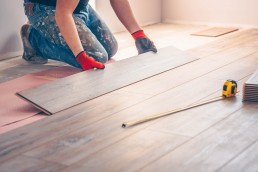
Solid vs. Engineered Hardwood Flooring: What Works Best in Peterborough Homes?
For homeowners comparing hardwood flooring in Peterborough, the right choice depends on the room, the subfloor, household activity and the look you want to achieve. This guide explains the practical differences so you can shop with confidence.
What is solid hardwood flooring?
Solid hardwood flooring is milled from a single piece of wood. It is valued for its natural appearance, substantial feel and long service life. Depending on the product and its remaining wear surface, solid hardwood may be sanded and refinished more than once over the course of its life.
Because it is natural wood from top to bottom, solid hardwood responds to changes in indoor humidity. It can expand when humidity rises and contract when the air becomes dry. Proper acclimation, installation and indoor humidity control are therefore important, particularly through Ontario's changing seasons.
What is engineered hardwood flooring?
Engineered hardwood has a real hardwood wear layer bonded over a stable, layered core. From above, it provides the genuine grain, colour and variation people expect from wood flooring. Its layered construction, however, gives it greater dimensional stability than many solid products.
That stability can make engineered hardwood a practical option for more installation conditions, including certain concrete subfloors and some below-grade applications when the manufacturer permits them. Product specifications vary, so the installation method and approved locations should always be confirmed before purchase.
Solid hardwood vs. engineered hardwood: the key differences
1. Appearance and design
There is no automatic visual winner. Both options use real wood and are available in popular species, colours, plank widths, textures and finishes. Focus Flooring Centre carries versatile hardwood choices including oak, ash, maple and cherry, making it possible to coordinate the floor with both traditional and contemporary interiors.
If you prefer wider planks, engineered construction is often worth exploring because its stability can be an advantage as board width increases. The best decision comes from comparing full-size samples under the lighting in your own home.
2. Seasonal stability
Peterborough homes experience heating-season dryness, humid summers and meaningful temperature changes. Solid hardwood can perform very well when it is installed correctly and the home's humidity is managed. Engineered hardwood is generally less reactive to these changes because of its layered core.
That does not make engineered wood waterproof. Spills should still be wiped up promptly, leaks need immediate attention, and every product's care instructions should be followed.
3. Installation location
Solid hardwood is commonly installed above grade over an appropriate wood subfloor. Engineered hardwood may offer more flexibility because some products can be nailed, stapled, glued or floated, depending on the manufacturer and subfloor.
Before choosing either option, have the floor area assessed. Subfloor flatness, moisture conditions, transitions, existing flooring and door clearances can all affect the recommended product and installation plan.
4. Refinishing potential
Solid hardwood is often chosen for its long-term refinishing potential. Engineered hardwood may also be refinished, but the number of times depends on the thickness of the real-wood wear layer and the product's construction. If refinishing is important to your long-term plan, ask about the wear layer rather than assuming all engineered products are the same.
5. Budget and total project cost
Material price is only one part of a flooring budget. Removal and disposal of the old floor, subfloor preparation, transitions, trim, delivery and installation can all affect the total. A higher-priced product that suits the room and installation conditions may offer better value than a lower-priced floor that creates compromises later.
Which hardwood is best for each room?
Living rooms and dining rooms: solid or engineered hardwood can both be excellent choices when the subfloor and environment are suitable.
Bedrooms and upper floors: either construction can add warmth and a quieter visual feel; consider the subfloor and desired installation method.
Kitchens: hardwood can work, but quick spill cleanup and protection around sinks, dishwashers and entrances are essential.
Basements: engineered hardwood may be an option when specifically approved, but moisture conditions must be evaluated first. LVP may be the more practical choice in moisture-prone spaces.
Busy family homes: focus on species hardness, finish quality, colour variation and the ability of the surface to disguise everyday wear.
How to choose hardwood flooring with confidence
Start with the room rather than the sample. A flooring specialist should understand where the product will be installed, what is beneath the existing floor, how much traffic the room receives and whether pets or children are part of daily life. Then compare the construction, species, finish, plank width, maintenance requirements and warranty.
It is also helpful to bring photos, measurements and design references to the showroom. Samples can look different under warm and cool lighting, so ask whether you can view promising options in your space before making a final decision.
Frequently asked questions
Is engineered hardwood real wood?
Yes. Engineered hardwood has a genuine hardwood surface over a layered core. It should not be confused with laminate or wood-look vinyl.
Which option is better for Peterborough winters?
Both can perform well in a properly conditioned home. Engineered hardwood is generally more dimensionally stable, while solid hardwood benefits from careful humidity management during the heating season.
Can hardwood flooring be installed over concrete?
Some engineered hardwood products are designed for installation over properly prepared concrete. The slab, moisture readings, adhesive or underlayment, and manufacturer requirements must all be reviewed.
Does hardwood increase home value?
Hardwood is widely valued for its natural appearance, durability and ability to complement many design styles. The effect on resale varies by home, market, product quality and installation.
Explore hardwood flooring in Peterborough
There is no single best hardwood floor for every home. Solid hardwood offers tradition and strong refinishing potential, while engineered hardwood adds flexibility and stability across a broader range of conditions. The best choice is the one matched carefully to your room, subfloor, lifestyle and budget.
| Ready to compare flooring options in person?
Visit the Peterborough showroom at 6-774 Rye Street to compare hardwood species, colours and constructions. Focus Flooring Centre can help with product selection, removal of existing flooring, delivery and professional installation in Peterborough and surrounding areas. |
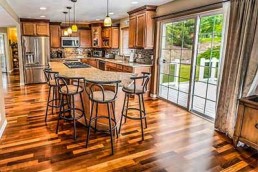
Hardwood Flooring: The Perfect Summer Upgrade for Your Home
Summer is the season of fresh starts, home improvements, and creating bright, inviting living spaces. If you're looking for a renovation that adds timeless beauty and long-term value to your home, hardwood flooring is one of the best investments you can make.
As natural sunlight fills your home during the warmer months, hardwood floors showcase their rich textures, unique grain patterns, and elegant finishes like no other flooring option. Whether you're updating a single room or planning a whole-home renovation, summer is an ideal time to install hardwood flooring.
Why Hardwood Flooring Shines in Summer
During the summer, homeowners spend more time entertaining guests, hosting family gatherings, and enjoying open, airy interiors. Hardwood flooring enhances these spaces by creating a warm, welcoming atmosphere that complements virtually any design style.
Natural wood floors reflect light beautifully, helping rooms feel brighter and more spacious. Popular species such as oak, maple, and hickory offer distinctive character while providing exceptional durability for everyday living.
Benefits of Hardwood Flooring
Timeless Appearance
Unlike flooring trends that come and go, hardwood flooring remains a classic choice. Its natural beauty works well with both traditional and contemporary interiors, ensuring your home stays stylish for years to come.
Increased Home Value
Real hardwood flooring is highly desirable among homebuyers. Installing hardwood floors can improve your property's resale appeal and contribute to higher market value.
Long-Term Durability
When properly maintained, hardwood flooring can last for decades. Many hardwood floors can be refinished multiple times, allowing homeowners to restore their original appearance and extend their lifespan.
Improved Indoor Air Quality
Unlike carpet, hardwood flooring does not trap dust, allergens, or pet dander. This makes it a popular option for homeowners looking to create a healthier indoor environment.
Summer Installation Advantages
Summer's warmer temperatures and lower humidity levels often create favorable conditions for flooring installation. Hardwood materials can acclimate more efficiently, helping ensure a smooth and successful installation process.
Additionally, completing your flooring project during the summer means you can enjoy your upgraded living spaces throughout the rest of the year.
Caring for Hardwood Floors During Summer
To keep your hardwood flooring looking its best:
- Use blinds or curtains to minimize prolonged direct sunlight.
- Place mats near entrances to reduce dirt and debris.
- Clean spills promptly to prevent moisture damage.
- Sweep or vacuum regularly using hardwood-safe attachments.
With proper care, your hardwood floors will maintain their beauty through every season.
Upgrade Your Home with Hardwood Flooring
If you're planning a summer renovation, hardwood flooring offers the perfect combination of elegance, durability, and value. Whether you're refreshing your living room, dining room, or entire home, hardwood floors provide a timeless foundation that enhances every space.
Contact our flooring experts today to explore hardwood flooring options and discover how this classic flooring solution can transform your home this summer.
Luxury Vinyl Flooring: A Smart and Stylish Choice for Summer Living
Summer brings busy households, increased foot traffic, and plenty of indoor-outdoor activity. For homeowners seeking a flooring solution that combines beauty, durability, and practicality, luxury vinyl flooring is an excellent choice.
Designed to mimic the appearance of natural wood or stone, luxury vinyl flooring offers impressive performance while standing up to the demands of everyday life. Whether you're upgrading your kitchen, basement, bathroom, or entire home, luxury vinyl flooring provides exceptional value and versatility.
Why Luxury Vinyl Flooring Is Perfect for Summer
With kids home from school, family gatherings, and frequent trips in and out of the house, summer can be tough on floors. Luxury vinyl flooring is built to handle these challenges without sacrificing style.
Its water-resistant and scratch-resistant properties make it especially well-suited for active households. Sandals, pets, pool traffic, and summer entertaining are no match for today's high-quality luxury vinyl products.
Key Benefits of Luxury Vinyl Flooring
Water Resistance
One of the biggest advantages of luxury vinyl flooring is its ability to resist moisture. This makes it an ideal option for kitchens, bathrooms, laundry rooms, and basements where spills and humidity are common.
Beautiful Design Options
Modern luxury vinyl flooring comes in a wide variety of colors, textures, and finishes. Homeowners can achieve the look of hardwood or natural stone while enjoying the practical benefits of vinyl.
Durability for Active Families
Luxury vinyl flooring is engineered to withstand heavy foot traffic, scratches, and everyday wear. Its protective wear layer helps maintain its appearance even in busy households.
Comfortable Underfoot
Unlike some hard surface flooring options, luxury vinyl flooring offers a softer feel underfoot. This added comfort makes it a popular choice for family rooms, bedrooms, and open-concept living spaces.
Summer-Friendly Flooring for Every Room
Luxury vinyl flooring performs exceptionally well in areas that experience increased activity during summer months. Mudrooms, entryways, kitchens, and recreation spaces all benefit from its durability and easy maintenance.
Because luxury vinyl is available in waterproof collections, it's also a smart option for homes with pools, pets, or frequent outdoor entertaining.
Easy Maintenance During the Summer Season
Keeping luxury vinyl flooring clean is simple:
- Sweep regularly to remove dirt and debris.
- Use a damp mop for routine cleaning.
- Place mats at entrances to reduce tracked-in sand and moisture.
- Clean spills promptly to preserve the floor's finish.
Its low-maintenance nature allows homeowners to spend less time cleaning and more time enjoying summer activities.
Transform Your Home with Luxury Vinyl Flooring
If you're looking for a flooring solution that balances style, performance, and affordability, luxury vinyl flooring deserves serious consideration. Its realistic appearance, moisture resistance, and long-lasting durability make it one of today's most popular flooring choices.
This summer, upgrade your home with luxury vinyl flooring and enjoy beautiful, worry-free floors designed to keep up with your lifestyle. Contact our flooring team today to explore the latest luxury vinyl flooring collections and find the perfect fit for your space.
Why Some Luxury Vinyl Plank Floors Fail
Luxury Vinyl Plank (LVP) flooring has earned a reputation as one of the most durable and versatile flooring products available today. However, despite its performance advantages, not all LVP installations perform as expected.
When homeowners experience issues such as gapping, lifting, excessive wear, or plank separation, the flooring itself is often blamed. In reality, product failure is frequently linked to a combination of product selection, subfloor conditions, environmental factors, and installation practices.
Understanding these factors can help homeowners make better decisions and maximize the lifespan of their flooring investment.
Not All Wear Layers Are Created Equal
One of the most misunderstood specifications in luxury vinyl flooring is the wear layer.
The wear layer is the transparent protective coating applied to the surface of the plank. It serves as the primary defense against scratches, scuffs, and everyday wear.
Common residential wear layers include:
- 6 mil
- 12 mil
- 20 mil
- 22 mil
- 28 mil
Many homeowners assume that a thicker plank automatically means a more durable floor. In reality, the wear layer is often a more important indicator of long-term performance.
For example:
- A 5 mm plank with a 20 mil wear layer may outperform a thicker 8 mm product with a 6 mil wear layer in high-traffic areas.
- Homes with pets, active families, or heavy foot traffic generally benefit from products with wear layers of 20 mil or greater.
While wear layers do not make a floor scratch-proof, they significantly improve resistance to daily wear and help maintain appearance over time.
Understanding SPC and WPC Core Construction
The core of the flooring plays a major role in performance.
Today's premium LVP products are generally manufactured with either SPC (Stone Plastic Composite) or WPC (Wood Plastic Composite) cores.
SPC Flooring
SPC flooring utilizes a rigid core composed primarily of limestone and stabilizers.
Benefits include:
- Superior dent resistance
- Increased dimensional stability
- Better performance in areas with temperature fluctuations
- Reduced expansion and contraction
SPC products are often preferred in kitchens, entryways, basements, and homes with large windows that receive direct sunlight.
WPC Flooring
WPC flooring contains a foamed composite core that provides additional comfort and sound absorption.
Benefits include:
- Softer feel underfoot
- Enhanced acoustics
- Improved walking comfort
However, WPC products may be more susceptible to indentation from heavy furniture or concentrated loads.
Selecting the wrong core type for the intended application can contribute to long-term performance concerns.
Subfloor Preparation: The Most Common Cause of Flooring Failure
In our experience, the majority of LVP performance issues originate below the flooring itself.
Manufacturers establish strict requirements regarding subfloor flatness.
A floor that appears level to the eye may still exceed acceptable tolerances.
Common symptoms of inadequate subfloor preparation include:
- Plank separation
- Joint failure
- Excessive movement
- Locking system damage
- Squeaking or clicking sounds
Most manufacturers require subfloors to meet specific flatness standards before installation begins. Skipping this step can compromise both performance and warranty coverage.
Moisture Conditions Still Matter
One of the biggest misconceptions in the flooring industry is that "waterproof" means moisture cannot cause problems.
While LVP products themselves are highly water resistant, moisture can still impact:
- The subfloor
- Adhesives
- Underlayment systems
- Adjacent building materials
Concrete slabs, particularly in basements, should always be tested for moisture before installation.
Excessive moisture beneath the flooring can contribute to mold growth, adhesive failure, and structural concerns that have nothing to do with the vinyl plank itself.
Expansion Gaps Are Essential
Even highly stable SPC flooring expands and contracts slightly as environmental conditions change.
Manufacturers require expansion gaps around:
- Perimeter walls
- Kitchen islands
- Cabinets
- Fixed architectural features
When flooring is installed too tightly, pressure can build within the system and create issues such as:
- Buckling
- Peaking
- Edge lifting
- Joint separation
These failures are often preventable through proper installation planning.
Sunlight and Temperature Exposure
Large south-facing windows can create surface temperatures significantly higher than ambient room temperatures.
Certain flooring products perform better than others under prolonged solar exposure.
Professional installers should evaluate:
- Window orientation
- Room temperature fluctuations
- Product specifications
- Manufacturer recommendations
In some cases, window coverings or product upgrades may be recommended to reduce long-term risk.
Product Selection Matters
Not every luxury vinyl plank product is designed for every environment.
Factors that should be considered include:
- Household traffic levels
- Presence of pets
- Furniture loads
- Moisture exposure
- Subfloor conditions
- Sunlight exposure
A product that performs exceptionally well in one home may not be the best choice for another.
Luxury Vinyl Plank flooring is one of the most reliable flooring options available when the right product is paired with proper installation practices.
Most flooring failures are not caused by defective materials. Instead, they result from issues such as inadequate subfloor preparation, improper installation, moisture conditions, or selecting a product that is not suited to the environment.
Working with an experienced flooring professional ensures that product specifications, site conditions, and installation requirements are properly evaluated before the first plank is installed—helping homeowners achieve the performance and longevity they expect from their investment.
SPC vs WPC Vinyl Flooring: Which Luxury Vinyl Core Is Better for Canadian Homes?
Many homeowners shopping for luxury vinyl flooring focus on colour, texture, and price. However, one of the most important factors affecting long-term performance is something most people never see—the flooring core.
Today's premium vinyl flooring products are generally built using either SPC (Stone Plastic Composite) or WPC (Wood Plastic Composite) technology. Understanding the difference can help homeowners avoid costly mistakes.
What Is SPC Flooring?
SPC flooring uses a rigid core made from limestone powder and stabilizers. The result is an extremely dense, dimensionally stable product that performs exceptionally well in environments where temperature fluctuations and moisture are concerns.
Advantages of SPC include:
- Higher dent resistance
- Better dimensional stability
- Strong performance in sunrooms and large open-concept spaces
- Excellent suitability for homes with pets and heavy furniture
Because SPC is rigid, it can also mask minor subfloor imperfections better than some traditional vinyl products.
What Is WPC Flooring?
WPC flooring contains a foamed core that creates a softer feel underfoot.
Advantages include:
- Increased comfort when standing for long periods
- Improved sound absorption
- Warmer feel underfoot
- Better walking comfort in bedrooms and living spaces
However, the softer core can be more susceptible to indentation from heavy furniture and concentrated loads.
Which Core Performs Better in Ontario Homes?
In our experience installing flooring throughout Ontario, SPC products generally outperform WPC in high-traffic areas, kitchens, entryways, and homes with large south-facing windows.
The region experiences significant seasonal humidity and temperature swings. SPC's superior dimensional stability often translates to fewer expansion-related concerns over time.
That said, WPC remains an excellent choice for homeowners prioritizing comfort and sound reduction.
The Bigger Question: Installation Matters More Than Core Type
The most expensive flooring product can still fail if installation standards are ignored.
Before installation, professional contractors should verify:
- Subfloor flatness
- Moisture conditions
- Acclimation requirements
- Expansion gap requirements
- Manufacturer-specific installation guidelines
Many flooring warranty claims can be traced back to improper site preparation rather than product defects.
Choosing between SPC and WPC isn't about determining which product is universally better. It's about matching the flooring system to the home's conditions and the homeowner's priorities.
A qualified flooring professional should evaluate the space, traffic levels, moisture exposure, and subfloor conditions before recommending a product. That approach consistently delivers better long-term results than choosing based on price alone.
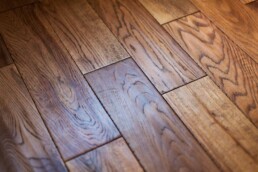
The Complete Guide to Hardwood Flooring: Benefits, Costs, and Is It Worth It?
Hardwood flooring remains one of the most sought-after choices for homeowners—and for good reason. It’s timeless, durable, and adds real value to your home. But is it the right fit for your space?
In this guide, we’ll break down everything you need to know about hardwood flooring, including benefits, costs, maintenance, and whether it’s worth the investment.
What Is Hardwood Flooring?
Hardwood flooring is made from solid wood or engineered wood. Popular species include:
- Oak
- Maple
- Hickory
- Walnut
You can choose from solid hardwood (one piece of wood) or engineered hardwood, which has a real wood surface over a layered core for better stability.
Benefits of Hardwood Flooring
1. Timeless Appearance
Hardwood floors never go out of style. Whether your home is modern or traditional, wood flooring enhances the aesthetic.
2. Increases Home Value
Homes with hardwood flooring often sell faster and at higher prices.
3. Long Lifespan
With proper care, hardwood floors can last 25–100 years. They can also be sanded and refinished multiple times.
4. Easy to Clean
Dust and allergens don’t get trapped like they do in carpet, making it a healthier option.
Hardwood Flooring Costs
Costs vary depending on wood type, quality, and installation.
- Material: $5–$15 per sq. ft.
- Installation: $4–$10 per sq. ft.
- Total Average: $9–$25 per sq. ft.
Premium woods like walnut or wide-plank flooring will cost more.
Hardwood vs Engineered Hardwood
| Feature | Solid Hardwood | Engineered Hardwood |
|---|---|---|
| Durability | Very high | High |
| Moisture resistance | Low | Better |
| Refinishing | Multiple times | Limited |
| Best for | Living areas | Basements & condos |
Maintenance Tips
- Sweep or vacuum regularly
- Use a damp (not wet) mop
- Avoid excessive moisture
- Add felt pads under furniture
Refinishing every 7–10 years helps maintain its look.
Is Hardwood Flooring Worth It?
If you’re looking for long-term value, durability, and a premium finish—yes, hardwood flooring is absolutely worth it.
However, it may not be ideal for:
- High-moisture areas (bathrooms, basements)
- Homes with large pets (prone to scratching)
Final Thoughts
Hardwood flooring is a smart investment that combines beauty, durability, and long-term value. Whether you choose solid or engineered wood, it’s a flooring option that can elevate any space.
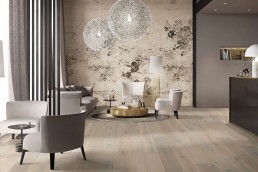
Luxury Vinyl Plank Flooring: The Affordable, Waterproof Alternative to Hardwood
If you love the look of hardwood but want something more affordable and durable, Luxury Vinyl Plank (LVP) flooring might be the perfect solution.
LVP has exploded in popularity thanks to its realistic wood look, waterproof design, and budget-friendly price.
What Is LVP Flooring?
Luxury Vinyl Plank (LVP) is a synthetic flooring material designed to mimic real hardwood. It consists of multiple layers:
- Wear layer (protection)
- Printed design layer (wood look)
- Core layer (rigidity and waterproofing)
Benefits of LVP Flooring
1. 100% Waterproof
LVP is ideal for kitchens, bathrooms, and basements where moisture is a concern.
2. Affordable
It provides the look of hardwood at a fraction of the cost.
3. Durable & Scratch-Resistant
Perfect for homes with pets and kids.
4. Easy Installation
Most LVP uses a click-lock system, making installation quick and cost-effective.
LVP Flooring Costs
- Material: $2–$7 per sq. ft.
- Installation: $2–$5 per sq. ft.
- Total Average: $4–$12 per sq. ft.
This makes LVP one of the most cost-effective flooring options available.
LVP vs Hardwood Flooring
| Feature | LVP Flooring | Hardwood Flooring |
|---|---|---|
| Cost | Lower | Higher |
| Water Resistance | Waterproof | Not waterproof |
| Durability | High | Moderate |
| Appearance | Very realistic | Natural |
| Resale Value | Moderate | High |
Where Should You Use LVP?
LVP is perfect for:
- Basements
- Kitchens
- Bathrooms
- Rental properties
- High-traffic areas
Maintenance Tips
- Sweep or vacuum regularly
- Mop with mild cleaner
- Avoid abrasive tools
No refinishing required—ever.
Is LVP Flooring Worth It?
If you want durability, affordability, and waterproof performance, LVP flooring is an excellent choice.
It’s especially ideal if:
- You have pets or kids
- You’re renovating on a budget
- You need flooring in moisture-prone areas
Final Thoughts
Luxury Vinyl Plank flooring offers the perfect balance of style, durability, and cost. It’s a modern solution for homeowners who want the look of wood without the maintenance or price tag.