
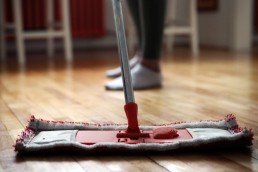
How To Clean Hardwood Floors
Sweep or Vacuum the Hardwood Floors
Regardless of what type of hardwood floor you have, the first step you should take when trying to clean your floors is to sweep or vacuum your floors. Regardless if you are cleaning your floors or refinishing them, this should be the first step. Using a regular broom or vacuum tends to do the trick, but you can also you a microfiber dust mop, that can remove excess dust and help remove scratches on the floor. When vacuuming hardwood floors, turning the brush rolls off is very important. This will help prevent them from scratching the floors. Hardwood floors can hide certain types of dirt differently than carpet, so its important to sweep or vacuum regularly. 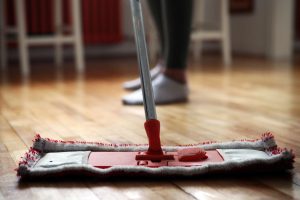
Mopping the Floors
When mopping hardwood flooring, it is important to ensure you wring out the majority of the water before starting to mop. Too much water can result in the water damaging the floor. Furthermore, be sure to go over every spot multiple times; this is to help ensure that there are no water spots left on the hardwood, as this can result in damaging the surface. Steaming cleaning your floors is typically not encouraged for hardwood floors. Steam cleaning it can dull and ruin the finish of your floors, which can be pricey to repair. Lastly, when using floor cleaners, make sure you use hardwood floor cleaners specifically, avoid tile cleaners and vinyl cleaners.
Giving Your Floors a Refreshed Look
Keeping your floors clean is the first step, but keeping them looking fresh and removing the occasional scratch and dullness is another thing. You can use a liquid scratch concealer that you put on your floor after cleaning them. This will create a permanent seal on your floors that doesn't come off during cleaning. You can also restore your floors and shine them by using any wood floor polish. This will help protect your floor from any wear and tear, and also help reduce the number of scratches.
Want to learn more about taking care of hardwood floors, or thinking of switching to hardwood? Connect with a team member today, and we would love to help you with the next steps!

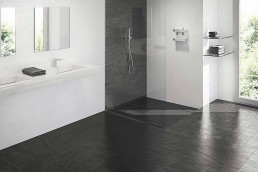
Where To Use Tile Flooring And Why
Choosing the right flooring for your home is crucial to its aesthetics and functionality. Tile flooring, with its durability and great appeal, is a popular choice for many homeowners. However, deciding where to install tile flooring in your house is equally important.
-
Kitchen
The kitchen is a natural fit for tile flooring. Its resistance to moisture, easy maintenance, and durability make it perfect for the high-traffic area. Spills, splashes, and frequent cleaning are part of daily life in the kitchen, and tile flooring can easily handle them. Whether you opt for ceramic, porcelain, or stone tiles, you'll find various design options to complement your kitchen's style.
-
Bathroom
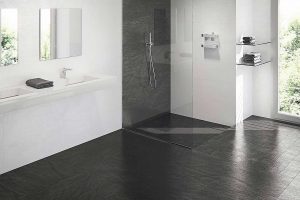
Tile flooring in bathrooms is a classic choice. Their moisture-resistant properties are key in a space where water is often present. Porcelain or ceramic tiles work particularly well here, offering both style and practicality. Their smooth surfaces are easy to clean, and they can withstand the daily rigors of a bathroom environment.
-
Entryway and Mudroom
Entryways and mudrooms are high-traffic areas that are frequently exposed to the elements. Tile flooring is an excellent choice in these spaces because it can endure the wear and tear of shoes, boots, and wet coats. It also makes cleaning up dirt and debris a breeze, ensuring your home stays tidy.
-
Laundry Room
The laundry room is another area where tile flooring shines. Spills from detergents and water leaks from washing machines are common occurrences. The moisture resistance of tile flooring can help prevent water damage to your home's structure. Additionally, it's easier to clean up any detergent or bleach spills on tile compared to other flooring materials.
-
Basement
Basements can be prone to moisture issues, making it a wise choice. It's a barrier against moisture seeping through the concrete slab, preventing mold and mildew growth. While carpet or laminate can be used in basements, it provides added peace of mind in an area that is susceptible to humidity and potentially flooding.
-
Outdoor Spaces
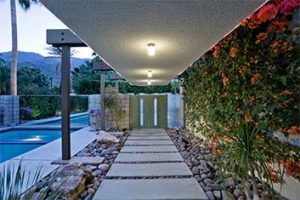 Many homeowners are now extending the use of tile flooring to outdoor spaces such as patios, decks, and pool surrounds. Porcelain or natural stone flooring can create an elegant and durable outdoor living area.
-
Living Areas
It is not limited to high-moisture or high-traffic areas. In some living areas, such as the dining room or living room, it can make a great impression. These spaces can benefit from the durability and design versatility of tile flooring. They can look similar to natural wood or stone while offering easier maintenance.
Choosing where to install tile flooring in your house involves a thoughtful consideration of practicality and aesthetics. Whether you're prioritizing durability in high-traffic areas, moisture resistance in wet spaces, or simply adding a touch of timeless elegance to your living areas, tile flooring can be a versatile and functional choice. With the wide variety of materials, colors, and patterns available, you can find the perfect tile flooring to suit your needs and style.
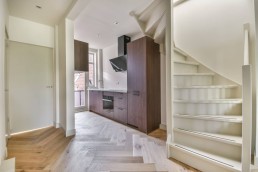
Reasons To Chose Luxury Vinyl Flooring
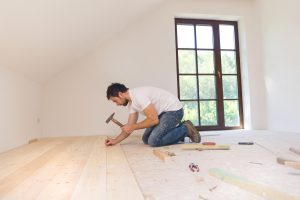 LVP is engineered to be incredibly durable, making it suitable for high-traffic areas and even commercial spaces. It's resistant to scratches, dents, and moisture, making it an ideal choice for kitchens, bathrooms, and entryways where accidents are more likely to occur. This durability ensures that your investment will stand the test of time, looking as luxurious and pristine as the day it was installed.
Luxury Vinyl Flooring is a great option nonetheless. They are one of the easiest floors to maintain and they can last a significant amount of time. Walking on luxury vinyl flooring is a comfortable and quiet experience, making it an excellent choice for bedrooms and living areas where comfort matters. LVP comes in many different patterns, colors, and textures. It can match virtually any design concept or theme, from rustic to modern and everything in between.
LVP is a composite flooring type that was originally designed for commercial applications making it extremely durable. While luxury vinyl plank has now stormed the residential market, the exceptional quality and hard-wearing surfaces have remained the same except to create better looks that suit home use. We recommend choosing something you will love for decades because you're likely to outgrow your taste before you'll ever wear out this flooring!
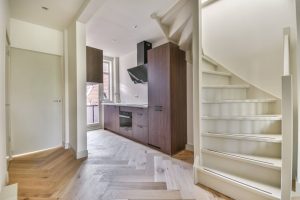
The installation process can significantly impact the overall cost of your flooring project. Luxury vinyl flooring is very well easy to install, which saves a lot of time and money. It can often be installed directly over existing flooring, eliminating the need for expensive and time-consuming. However you should consult a professional for their opinion.
Luxury vinyl flooring has redefined what it means to have a luxurious and stylish interior. With the ability to replicate the look and feel of natural materials like hardwood, stone, and tile. It is widely used as people have realized its durability, cost-effectiveness and altogether luxurious look. The wide range of styles and patterns available ensures a luxury vinyl flooring option to suit every design preference.
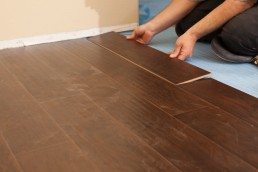
5 Reasons Why You Should Choose Hardwood Flooring
Hardwood flooring can make your next home project that much more exciting!
Many factors make people lean towards hardwood floor, but there are 5 common reasons.
- Many factors make Hardwood Flooring a go-to option for many people, and one of the main reasons is its cleaning ability. Unlike carpet, there is no dirt or germs that can hide in the carpet, as long as you sweep and mop on occasion, the floor will stay clean. Sweeping and mopping with a damp mop are all you need for general wood maintenance. Spot cleaning can be done with gentle cleaners made for hardwood flooring. You can even vacuum hardwood floors, but choose a vacuum without a beater bar or one with a hard floor mode that doesn’t engage the bar.
- Hardwood Flooring is timeless, and can be used in any areas whether its a bedroom, bathroom, kitchen, living room, or even a dining room. Hardwood flooring can even be used in basements, because they can be more water resistant than most other flooring options.
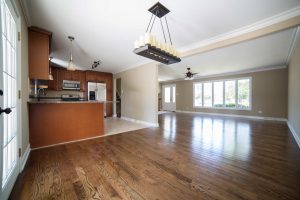
- Hardwood floors wear very well. Whether you have pets, kids, or just yourself walking around your house, hardwood floor can be very durable. If you use proper protectant for floor sealer, the floors can last years.
- Hardwood floors are able to be refinished upwards of 7 times before needing to be replaced! This makes hardwood life span significantly longer due to being able to be refinished, which can make them look brand new again!
- Hardwood floors hold up well with pets! Whether you have a dog that sheds, pet that are messy eaters, with hardwood floor it makes the clean up easier! With the proper protectant and care, you hardwood floor can hold up for a long time even with pets.
Value in choosing hardwood
The long-term value of hardwood flooring is worth the cost that you pay when you first purchase the item, according to most homeowners and professionals. The longevity and simplicity of upkeep of hardwood flooring will decrease cleaning and repair expenditures in the long run, which is extremely helpful towards both yourself and your home’s value.
Prospective homebuyers dislike carpet, especially carpet that belongs to someone else because they are easily stainable and they attract and contain all kinds of dirt over time. That is why hardwood flooring and underfloor heating are highly sought-after features in real estate. These kinds of features in flooring may considerably increase the sale speed of your home, if you plan on selling it and moving to a different home in the future.
The flooring that you choose has a great impact on various aspects of your home. Your selection of the floors for your home can heavily affect your home’s aesthetics, structural integrity and future value. With that being said, throughout the process of choosing the flooring for you and your home, you must do your research and indulge in the information of all the types of floors that are available on the market. If you are having a bit of trouble deciding which type to choose, the safest and most common option that most homeowners tend to lean towards is hardwood flooring.
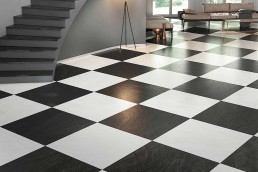
The Elegant options of Tile Flooring
Regarding flooring options, it can become very costly, Tile flooring can be an inexpensive option. Tile flooring has an elegant and sleek look. It can come in many different shapes and sizes which is suitable for any room in a house. It only takes a phone call to get a quote to transform your home and your life.
The Advantages of Tile Flooring
Durability: Tile flooring is well-known for its longevity. When properly maintained, tile floors can last for decades, making them a cost-effective choice in the long run.
Aesthetic Versatility: Tiles come in various shapes, sizes, colors, and textures, making them suitable for a wide range of design styles. From sleek and modern to rustic and traditional, there's a tile to suit every taste. Easy Maintenance: Cleaning tile flooring is very easy. Regular sweeping and occasional mopping will keep your floors looking pristine. However, tiles resist stains, which is especially beneficial in high-traffic areas. Hygienic and Allergy-Friendly: Unlike carpet, tile flooring does not trap allergens, making it a healthier option for those with allergies or respiratory issues. It's also an excellent choice for homes with pets.
Water Resistance: Tile is naturally resistant to moisture, making it a perfect flooring option for bathrooms, kitchens, and even outdoor spaces like patios and porches.
Types of Tile Flooring
- Ceramic Tiles: Ceramic tiles are popular due to their affordability and versatility. They are available in various colors and patterns and can mimic the look of natural stone or wood.
- Porcelain Tiles: Porcelain tiles are known for their strength and durability. They are highly resistant to water, stains, and scratches, making them suitable for both indoor and outdoor applications.
- Natural Stone Tiles: Natural stone tiles, such as marble, granite, travertine, and slate, provide a luxurious look. Each type of stone offers unique colors and textures that add a touch of elegance to any space.
- Mosaic Tiles: Mosaic tiles are small, decorative tiles that come in various materials, including glass, ceramic, and stone. They are often used to create intricate patterns and designs, adding a unique flair to your flooring. Porcelain Wood-Look Tiles: For those who love the look of hardwood but want the durability of tile, porcelain wood-look tiles are an excellent choice. They mimic the appearance of wood while offering the benefits of tile.
Caring for Your Flooring
To ensure your tile flooring maintains its beauty and longevity, follow these care tips:
- Regular Cleaning: Sweep or vacuum debris and dust regularly. Use a damp mop with a mild cleaner for a deeper clean.
- Avoid Harsh Chemicals: Steer clear of abrasive cleaners or acidic solutions that can damage the flooring or grout.
- Seal Grout Lines: Grout is susceptible to stains and moisture. Apply a grout sealer to protect it and keep it looking fresh.
- Use Mats and Rugs: Place mats at entryways and rugs in high-traffic areas to prevent dirt and scratches on your floor.
- Address Spills Promptly: Wipe up spills as soon as they occur to prevent staining and grout discoloration.
Tile flooring is a beautiful and practical choice for homeowners looking to enhance their living spaces. With its durability, aesthetic versatility, and low maintenance requirements, tile flooring has made itself its place as a classic and a great option. Whether you opt for ceramic, porcelain, natural stone, or mosaic tiles, the timeless elegance of tile flooring can elevate the look and feel of your home while providing a durable and hygienic surface that stands the test of time.
So, consider tile flooring for your next home improvement project and discover the transformative power of this remarkable flooring option.
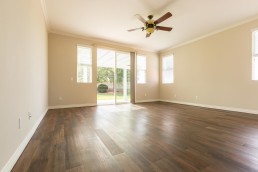
Why you should switch to LVP Flooring
What is Luxury Vinyl Plank Flooring - LVP?
Why is Luxury Vinyl Flooring becoming so popular?
LVP (also known as Luxury Vinyl Planks) are interlocking plank-like flooring, that replicates the look and feel of traditional hardwood flooring. LVP is very low maintenance and, with its high durability require very little 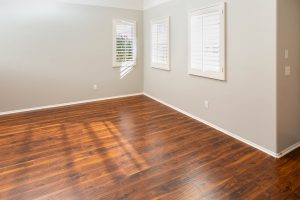 to no maintenance! Another upside to LVP, is they are waterproof, so if you have a dog that splashes its water out of its bowl non-stop or have a sink or bathroom that leaks, LVP is your go-to option.
LVP is also available in endless varieties of colours and wood shades, which has made it one of the most popular options for flooring as of late! Another upside to LVP, they are fairly simple to install and do not require underlayment like many other flooring options, which can speed up the installation time. The luxury vinyl planks lock together, making them simple to install on a flat layout.
How long does LVP last?
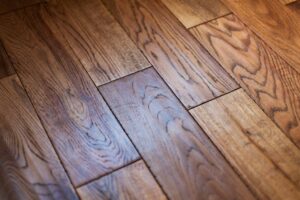 Due to the durability and thickness of the planks, it dramatically increase the lifetime of the flooring. Typically, LVP flooring can last anywhere from 10-20 years depending on the location of the flooring, and thickness installed.
Pros and Cons of LVP
For any type of flooring you install, there are pros and cons. The pros to LVP are they are waterproof, extremely durable with little to no maintenance, easy to install, endless colour way opportunities. The cons to LVP flooring are they can show discoloration when in direct sun for to long.
Ready to look at installing LVP Flooring? Reach out to our team of experts today to look at the best options for your next project! Want to read more about Luxury Vinyl Flooring? Read more in Houzz.
Home Reno: When Should You Get Your New Flooring Installed?
Are you starting a home renovation project? It is important to plan your project in advance and cover all the bases to avoid any costly mistakes as you complete the home renovation. In planning your project, you can define your goals, scope of work, and desired outcome and use these to manage your budget effectively. Knowing your goals, scope of work, and desired outcome will allow you to establish a realistic budget, identifying relevant costs and allocating funds properly. Furthermore, having a clear scope of work will help you prioritize expenses and make informed decisions on materials and labor requirements. With a well-developed project plan, you can clearly and effectively communicate your ideas and requirements to professionals and schedule different services that your home renovation project will require.
With that said, if you plan to install new flooring, you might be wondering at which stage of your project to get this done. While each home renovation project is different, in general, it is recommended that flooring be installed after all structural, electrical, and plumbing work are completed and before beginning painting, trim installation, and other finishing touches.
Install new flooring after completing plumbing and electrical work
By completing plumbing and electrical work at an earlier stage of your home renovation project, you can ensure easier access to the subfloor and walls. As plumbing and electrical work typically involve drilling, cutting, or making openings in walls and floors, your contractors can work without obstructions or the need to cut into newly installed flooring. Furthermore, installing flooring after plumbing and electrical work can minimize the risk of potential damage, such as scratches, punctures, or particle accumulation, on the new flooring.
By installing flooring after completing plumbing and electrical work, you can achieve a seamless and neat finish for your floors and attain your desired outcome for your home renovation project.
Prepare the subfloor and walls prior to installing new flooring
Before installing new flooring, it is important to inspect and prepare the subfloor first. Check the subfloor for any damage, unevenness, or moisture issues, so that these can be repaired or replaced prior to flooring installation. If the subfloor has uneven or rough areas, it may need to be smoothed and leveled as well. By preparing the subfloor prior to new flooring installation, you can create a suitable environment and set the stage for a smooth and successful flooring installation.
Depending on the new flooring to be installed, you might also need to remove and replace the trims and baseboards. Removing the trims and baseboards should be done before installing the new flooring. It is also important to make any repairs to walls prior to flooring installation. If the walls have cracks, holes, or dents, be sure to repair the walls first. Some parts of the wall may need to be sanded or smoothed before painting, and the walls may need to be cleaned to remove any dirt, dust, or debris prior to painting. Complete any tasks to prepare walls for painting, such as priming the walls, before installing new flooring to avoid damaging the new floors. Preparing the walls for painting before installing new floors will help prevent damages, such as scratches, scuffs, dust, and debris, to the new floors.
Install new flooring prior to painting and making finishing touches
Installing new flooring before painting will allow you to have a smooth surface to walk on. Completing the new floor installation first will ensure that the flooring is properly aligned and can help avoid potential damage or disruption caused by painting work. A common concern about painting after installing new flooring is potentially damaging the new floors with paint. With that in mind, prior to painting any surface, be sure to mask the new flooring with the appropriate material to protect it from any spills or stains. Working with experienced professionals will help you ensure that your new flooring will be protected during the painting process.
Moreover, if painting is done prior to floor installation, there is a risk that the bottom edges might not be painted to perfectly align to the height of the new flooring. By painting after flooring installation, you can efficiently paint the walls to align precisely with the flooring edges, creating a seamless and visually appealing finish. Furthermore, you can ensure that your paint job will not be damaged if painting is done after the installation of new flooring. Completing finishing touches such as adding new trims and baseboards will help give your home renovation project a cohesive and polished look.
It is important to note that the specific sequence to complete renovation tasks may vary depending on the scope of work and the materials used for the home renovation project and the recommendations of the professionals involved. Working with professionals with experience and expertise will help you ensure that the proper precautions and protections are in place, so that prior work is not damaged as you complete various stages of your home renovation project. When it comes to new flooring installation, be sure to consult with professionals to understand any installation requirements specific to your desired type of flooring and to get their recommendations to help you achieve your desired home renovation outcome.
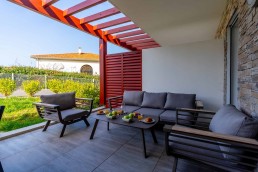
Choosing the Right Flooring for Your BBQ Space
When it comes to designing the ideal outdoor barbeque environment, the grill, sitting area, and overall aesthetics are frequently prioritized. The flooring, on the other hand, is sometimes disregarded yet plays a critical part in the overall usefulness and aesthetic of the room. The correct flooring may improve the mood, offer durability, and assure the chef's and visitors' safety. As a result, it is critical to carefully evaluate a variety of aspects while picking the best flooring for your BBQ area.
Assess Climate and Weather Conditions
When it comes to choosing the right flooring for your BBQ area, one important factor to consider is the temperature and weather conditions in the region. This phase is critical in ensuring that the chosen flooring material can resist the environmental elements to which it will be subjected. Weather patterns vary by location, including high humidity, extreme heat, and significant rainfall. Understanding the local environment allows you to select the best flooring material for your BBQ area. It is critical to pick moisture-resistant flooring materials in places prone to high humidity or regular rain. This consideration aids in the prevention of water seepage, mould growth, and warping damage. Because of their natural moisture resistance, porcelain tiles and concrete are great candidates in such situations. The flooring material should be heat-resistant in areas characterized by blistering heat. This feature prevents the floor from becoming very heated, making it difficult to walk on and perhaps leading to burns. Stone or pavers are attractive choices in hot regions because of their high heat tolerance. Understanding the frequency and intensity of weather variations is also aided by climate assessment. If your location sees high temperature swings or weather conditions, selecting a flooring material that can resist these changes without degrading or breaking is critical. In such cases, materials such as concrete and natural stone are more resistant. Furthermore, considering the environment might help you choose a flooring material that requires less upkeep. Materials that are resistant to stains and mold development are very desired in locations with significant rainfall or high humidity. In the long term, this consideration saves you time and work while cleaning and maintaining the flooring.
Durability
To begin with, a BBQ area is susceptible to significant foot traffic and a variety of activities. It is a meeting place for friends and family, where people can move around, socialize, and enjoy the great cuisine that is being prepared. Furthermore, spills, grease, and other undesirable stains may occur in the BBQ area, wreaking havoc on the floor's condition. As a result, selecting a long-lasting flooring material is critical. A long-lasting floor can resist the wear and tear of continual foot activity. It is resistant to scratches, dents, and other wear and tear caused by heavy use. By selecting a flooring material that can withstand such heavy activity, you ensure that your BBQ area will stay functional and visually appealing for an extended length of time. A resilient floor is also simple to maintain, saving you time and effort. Cleaning up after a BBQ may be a time-consuming process, especially if the floor is prone to stains or requires special care. Cleaning is much easier with a long-lasting flooring material, such as concrete or tiles. These materials are well-known for their stain resistance and simplicity of upkeep, allowing you to swiftly clean up any spills or accidents. Durability also helps to your BBQ space's long-term cost-effectiveness. While some flooring materials may be more expensive at first, they frequently provide considerable long-term savings. Investing in a long-lasting floor means you won't have to worry about costly and time-consuming repairs or replacements. By choosing a material that can resist the demands of your BBQ area, you assure that your investment will pay off in the long run.
Safety
Slips and falls are one of the most serious safety problems in a BBQ area. This is especially true while cooking outside, as spills are usual and surfaces can become damp or oily. It is critical to select a flooring material with a high coefficient of friction to reduce the possibility of accidents. Textured materials, such as non-slip tiles or natural stone with a rough texture, improve traction and grip, lowering the risk of slips even when the floor is wet. Another thing to think about is heat resistance. Hot grills, charcoal, and open flames are frequently used in a BBQ area. Contact with heated surfaces by accident might result in burns and injuries. Choosing heat-resistant flooring materials can considerably lower the likelihood of accidents. Concrete, for example, has considerable heat resistance and can bear grilling temperatures. By selecting a heat-resistant flooring material, you create a safer atmosphere for both the chef and the visitors, reducing the risk of burns and guaranteeing peace of mind. Additionally, the arrangement and style of the flooring can add to the safety of the BBQ area. It is critical to maintain a clean and unobstructed channel for foot traffic. Accidents can be avoided by avoiding uneven surfaces, rapid level changes, and tripping hazards. Smooth transitions between portions of the room, such as the kitchen, dining area, and seating area, increase ease of movement and lessen the chance of stumbling. Furthermore, integrating sufficient lighting along paths and steps can improve visibility, particularly during evening events, therefore increasing safety. Children and pets are frequently present in outdoor BBQ areas, making safety precautions even more important. It is critical to consider the requirements of these vulnerable persons while choosing flooring. Choosing a flooring material that is both slip-resistant and soft underfoot might give additional safety for youngsters who are playing or running around the room. Rubberized surfaces or fake grass can provide cushioning and reduce the force of falls, offering a safer environment for children. Similarly, ensuring that the flooring is pet-friendly, with scratch-resistant and easy-to-clean materials, will prevent mishaps and potential harm to furry family members.
Aesthetic Appeal
Aesthetics are important in determining the atmosphere and ambience of any environment, particularly outdoor settings. Your grilling area should be welcoming, comfortable, and visually appealing to you and your visitors. The flooring you choose might help you achieve the ideal atmosphere greatly. By taking into account the visual appeal, you can design a place that matches your unique style while also improving the overall attractiveness of your outdoor cooking area. The flooring material should correspond to the chosen style or concept. There are different flooring alternatives available to fit your preferences, whether you choose a rustic, modern, or classic style. Polished concrete floors or large-format porcelain tiles, for example, can give a clean and minimalist appeal if you are striving for a contemporary and streamlined design. These materials provide a sleek and stylish appearance that fits modern BBQ areas. If you like a more natural and organic vibe, there are materials that may help you accomplish that as well. Slate or granite, for example, may give warmth and beauty to the area. These materials frequently have earthy tones and distinct textures that provide a sense of connectedness to nature. Furthermore, wood decking may give a cozy and appealing atmosphere, making it ideal for a rustic or classic BBQ area. The natural grain patterns and warm tones of wood may provide a welcome and comfortable ambiance for your outdoor cooking and dining activities. The flooring should also complement the other features of your BBQ area. It should compliment your colour scheme, outdoor furniture design, and any other existing characteristics. You may create a coherent and aesthetically appealing outdoor space by selecting flooring that complements the overall design concept. If your BBQ space has a vivid and tropical theme, for example, choosing flooring with colours that suit the brilliant hues of the surrounds may create a cohesive and harmonious aesthetic.
Budget
One of the most important elements to consider when planning and creating a BBQ area is the budget. Considering your budget is critical for selecting the correct flooring that matches your budgetary constraints without sacrificing quality or utility. Setting a realistic budget from the start prevents overpaying and ensures that funds are allocated to all parts of your outdoor cooking area, including the flooring. It enables you to investigate flooring possibilities that are within your budget, avoiding unpleasant surprises or financial hardship during the process. When planning a budget, keep in mind that the expense of flooring extends beyond the first purchase. You should also factor in installation expenses, ongoing maintenance, and any future repairs or replacements. While certain materials may be more expensive up front, they may save money in the long run owing to their longevity and minimal maintenance requirements. You may focus on flooring materials that are within your budget by creating a budget. There are several alternatives accessible, ranging from low-cost solutions to more luxury and pricey ones. If you have a restricted budget, for example, materials like concrete or specific types of tiles might provide affordability without losing usefulness or beauty. It is critical to achieve a balance between price and quality. While it may be tempting to choose the cheapest flooring choice available, it is critical to consider the long-term consequences. Low-priced materials may be more prone to breakage, wear, and discoloration, necessitating frequent repairs or replacement, which might cost you more in the long term. It is worthwhile to invest in higher-quality materials that are durable, easy to maintain, and long-lasting. It is also useful to conduct research and compare pricing from various providers or stores. Prices can vary, and by shopping around, you may be able to discover better prices or promotional offers that will allow you to keep within your budget while still attaining the ideal flooring for your BBQ space. When dealing with a restricted budget, it is critical to prioritize your needs and make sound judgements. Consider your BBQ space's individual requirements, such as climatic resistance, safety features, and aesthetic appeal. Concentrate on locating items that meet these specifications while remaining inside your budgetary limits.
To summarize, choosing the best flooring for your BBQ area necessitates careful consideration of climate, durability, safety, aesthetics, and money. Considering the local weather conditions, choosing durable and low-maintenance materials, emphasizing safety measures, and matching the flooring to the desired design can all help to create a practical and visually beautiful outdoor cooking area. Remember that the flooring is the foundation that supports all other parts of your BBQ space, so pick wisely and enjoy the ideal combination of usefulness and beauty.
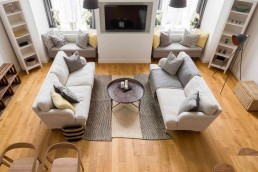
5 Simple Hacks to Keep Your Floor Looking Like New
Keeping your floors in excellent condition not only improves the aesthetic appeal of your living area, but it also extends the longevity of your flooring. However, keeping your floors looking like new in the middle of regular wear and tear may be a difficult chore. Fortunately, there are numerous easy tricks that may help you keep your flooring in excellent shape with no effort. The information down below will describe five such tricks that you may use to keep your flooring looking fresh and charming.
1. Regular Cleaning
The elimination of surface filth and debris that might collect on your floors is one of the key benefits of regular cleaning. Dust, grime, and other particles are unavoidably introduced indoors by foot movement and other activities throughout the day. If these particles are left ignored, they might settle on the floor's surface, producing scratches and dullness over time. Regular cleaning, such as sweeping or vacuuming, may quickly remove these undesirable items and keep them from causing damage. Accidental spills and stains are frequent in every home, but quick action is critical to protecting the beauty of your flooring. Regular cleaning allows you to respond to accidents quickly, lowering the possibility of lasting stains. If a beverage, food, or other liquid is spilled, promptly cleaning it up with a clean cloth or paper towel helps prevent the material from soaking into the floor and creating discoloration or stains. Regular cleaning allows you to deal with spills quickly, reducing the chance of long-term damage. Aside from aesthetic factors, frequent cleaning is essential for keeping a sanitary living environment. Floors can harbour germs, allergies, and other hazardous microorganisms that might impair tenant health, especially in high-traffic areas. Cleaning your floors on a regular basis not only eliminates obvious filth but also aids in the elimination of these hidden toxins, producing a healthier living environment for you and your family. To keep their original gloss and polish, various flooring materials require different upkeep. Regular cleaning with appropriate procedures and chemicals can help protect the surface integrity of the floor. Hardwood floors, for example, may benefit from a delicate cleaning with a moist mop and specialised wood floor cleansers, whilst tile floors may require mild detergents and a scrub brush. You can protect the finish, reduce dullness, and keep the natural beauty of your flooring by following the suggested cleaning practises for your individual flooring type.
2. Protective Rugs and Mats
The main benefit of employing protective rugs and mats is that they keep dirt and debris from reaching the surface of your floor. People walking in and out of your house unintentionally track dirt, sand, and other particles on their shoes. These abrasive compounds can scrape and wear down the finish of your flooring over time, resulting in a dull and worn-out look. You may efficiently trap dirt and prevent it from spreading onto your floor by carefully putting rugs and mats in high-traffic locations such as entryways, corridors, and near outside doors. This simple deed not only saves your floor from scratches but also minimises the frequency with which you must clean and maintain it. Protective carpets and mats not only keep dirt out, but they also keep moisture out. Wet or wet shoes, spills, and pet accidents may all compromise the structural integrity of your flooring, especially if they are built of wood or other water-sensitive materials. Absorbent rugs and mats absorb moisture rapidly and prevent it from soaking into the floor, lowering the danger of stains, warping, and damage. You may protect the immaculate appearance of your floor and avoid costly repairs or replacements by quickly limiting and treating moisture-related concerns. Rugs and mats, in addition to their protective duties, provide a chance to improve the visual appeal of your living area. You may pick rugs and mats that suit your existing décor and personal taste from a vast choice of designs, patterns, colours, and textures. There are solutions to fit every taste and home design concept, whether you desire a strong statement piece or a delicate neutral tone. Not only can these floor coverings bring aesthetic character and warmth to a space, but they also give a soft and pleasant surface for your feet, creating a cosy and inviting ambiance. To maximise the efficiency of protective rugs and mats, it is important to select the correct materials and maintain them properly. Look for rugs and mats with non-slip backing to avoid spills and keep them securely in place. Choose fabrics that are long-lasting and simple to clean, such as nylon, polypropylene, or washable cotton, that can tolerate repeated usage and spills. Vacuum or shake out the carpets and mats on a regular basis to eliminate accumulated dirt and debris. To keep machine-washable choices fresh and hygienic, follow the manufacturer's recommendations.
3. Wipe Spills Immediately
Accidental spills are unavoidable in everyday life. Spills are unavoidable, whether it's a dash of coffee, a drop of sauce, or a glass of juice that falls over. However, if you respond quickly, you can reduce their influence on your floor. When there is a spill, timing is of the importance. The longer a spill sits on the floor, the more likely it may soak into the surface and cause stains, discoloration, or even structural damage. Wiping up spills quickly has various advantages in terms of keeping your floor in excellent condition. For starters, it keeps the liquid from entering the surface. Most flooring materials, including hardwood, laminate, and tile, include protective layers or coatings that function as a moisture barrier. However, if spills are not cleaned up immediately, the liquid can penetrate these protective layers and soak into the underlying material, causing discoloration and warping. By swiftly mopping up spills, you reduce the possibility of long-term harm to your floor. Furthermore, fast spill cleaning helps to prevent discoloration. If some liquids, such as red wine, oil, or coloured drinks, are allowed to settle, they can leave ugly scars and discolorations on your floor. By quickly cleaning up the spill, you limit the likelihood of it integrating into the floor's surface and creating an imprint. Remember to gently blot the spill with a clean cloth or paper towel rather than rubbing, since rubbing may spread the liquid and exacerbate the condition. Wiping spills quickly not only prevents stains and damage, but it also helps to the general cleanliness of your floor. Spills may attract dirt and dust particles, which can build and give a dirty look if left neglected. Wiping spills on a regular basis keeps your floor clean and clear of clutter, boosting its visual appeal. It is important to have the right cleaning materials on hand in order to efficiently wipe spills. Maintain a supply of clean cloths, paper towels, or absorbent sponges in easily accessible spots throughout your home. When spills occur, you may immediately grab the nearest cleaning item and clean up the mess. It's also a good idea to keep cleaning supplies on hand, such as mild floor cleansers suitable for your flooring type, in case of stubborn stains.
4. Avoid High Heels or Sharp Objects
Maintaining the appearance of your floor involves not only regular cleaning and maintenance, but also the implementation of preventative steps to minimise potential damage. Avoiding high heels and sharp items is a simple but efficient way to keep your floor in excellent shape. This practice can help avoid unsightly scratches, dents, and gouges that can detract from the attractiveness of your flooring. High heels, while attractive and beautiful, represent a major risk to the health of your flooring. The sharp and thin heel tips provide concentrated pressure to the floor's surface, increasing the likelihood of scratches and indentations, especially on fragile materials such as hardwood or laminate. Even a minor blunder can cause lifelong harm, leaving visible traces that are difficult and expensive to fix. When going indoors, use softer-soled or flat shoes to limit the chance of such events and maintain the perfect appearance of your flooring. Sharp items, such as furniture legs that lack protective cushioning or pointed accessories, can potentially cause damage to your flooring. Accidental contact with these things can create deep scratches or gouges on your floor, compromising not only its visual appeal but also its structural integrity. When moving furniture or large goods, it is critical to use caution to avoid unintended scraping or dragging. Using furniture sliders or lifting techniques instead of dragging reduces the possibility of inflicting damage. You can protect your floor from undue wear and tear by adopting these basic steps. By eliminating high heels and sharp items, you may make your floor safer and keep it in excellent shape. These preventative procedures involve little effort but provide tremendous long-term advantages. Implementing this trick into your daily routine becomes second nature, guaranteeing that you and your visitors may move around your home without concern of damaging your floors.
5. Sunlight Protection
When it comes to keeping your flooring in excellent condition, one sometimes ignored yet incredibly efficient tip is to keep them out of direct sunlight. Over time, sunlight exposure can cause discoloration, fading, and even damage to your flooring material. By taking a few easy steps to protect your flooring from direct sunlight, you can dramatically extend their lifespan and keep them looking new for years to come. Sunlight includes ultraviolet (UV) radiation, which can be harmful to many flooring materials. Hardwood floors, for example, are especially prone to discoloration and fading when exposed to direct sunlight over extended periods of time. UV rays penetrate the wood's surface, causing natural pigments to degrade and resulting in a significant colour shift. Similarly, when exposed to direct sunshine, laminate, vinyl, and carpeted floors can fade or bleach, reducing their original beauty. For numerous reasons, it is critical to implement solar protection measures for your flooring. First and foremost, it contributes to the visual attractiveness and structural integrity of your flooring. You may guarantee that your floors preserve their natural beauty and lustre by minimising sun-induced discoloration and fading. Furthermore, insulating your flooring from sunlight increases their longevity, saving you the trouble and expense of early replacements or significant repairs.
Maintaining the pristine appearance of your flooring does not have to be a difficult effort. You can simply protect the beauty and life of your flooring by following these five simple tricks. Regular cleaning, the use of protective carpets and mats, the prompt wiping of spills, the avoidance of high heels and sharp objects, and the use of sunscreen are all excellent methods that may be readily adopted into your daily routine. You may enjoy the beauty of your flooring for years to come by following these tips, creating a welcome and visually pleasing area in your house.

Top 5 Flooring Materials for Pet Owners (and How to Keep Them Looking New)
Finding the perfect flooring material for a pet owner can be difficult. You require something that is long-lasting, scratch-resistant, and simple to clean. With so many alternatives on the market, it can be difficult to select the ideal flooring material that meets the needs of both you and your furry buddy. The following information will examine the best 5 flooring materials for pet owners as well as some maintenance advice.
1. Luxury Vinyl Tile
Luxury Vinyl Tile, or LVT, is quickly becoming one of the most popular flooring solutions for pet owners. It is a flexible material with several advantages, making it an excellent choice for pet-friendly houses. LVT is a man-made material that mimics the appearance of genuine wood, stone, or tile flooring. It has numerous layers, including a wear layer, a decorative layer, and a backing layer, which makes it extremely robust and resistant to scratches and stains. One of the primary benefits of LVT is that it is waterproof, which is vital for pet owners. Pets are prone to accidents and spills, but the water-resistant characteristic of LVT prevents any liquid from seeping into the flooring and causing damage. LVT is also easy to clean because most spills and mishaps can be wiped away with a moist cloth or mop. Another key advantage of LVT is its longevity. It can resist strong foot activity, making it excellent for busy pet owners. Its scratch-resistant function also avoids any markings or scratches created by your pet's claws, keeping your flooring looking fresh for years. Furthermore, the protective layer of LVT ensures that material stays stain-resistant even if your pet has an accident. LVT also comes in a variety of patterns, including wood, stone, and tile, allowing pet owners to match their flooring to the decor of their house. The designs are so lifelike that it's difficult to tell LVT from natural materials. LVT is quite simple to clean and maintain in terms of upkeep. All that is required to maintain the flooring looking new is regular sweeping or vacuuming, as well as periodic cleaning with a light cleanser and warm water. However, strong chemicals or abrasive cleansers should be avoided since they might harm the surface.
2. Porcelain or Ceramic Tile
For a variety of reasons, porcelain or ceramic tile is a great flooring option for pet owners. For starters, it is extremely robust and can survive high foot traffic as well as scratches from dogs' nails. This makes it an excellent choice for pet owners looking for a long-lasting flooring material.
Second, porcelain or ceramic tile is resistant to water, making it simple to clean and maintain. Pets frequently make a mess, and accidents can occur, so having an easy-to-clean flooring material is crucial. Any spills or mishaps may be readily wiped away with a moist cloth on porcelain or ceramic tile, leaving the surface appearing clean and fresh. Furthermore, porcelain or ceramic tile comes in a variety of colours and designs, making it simple to match your flooring to the style of your house. Whether you want a traditional or modern look, there is a porcelain or ceramic tile to fit your preferences.
Another benefit of porcelain or ceramic tile is that it is hypoallergenic, making it a perfect choice for allergy-prone pet owners. Pets frequently bring allergies and other irritants, but these particles do not become trapped in porcelain or ceramic tile, making it a healthier alternative for your household. Finally, because porcelain or ceramic tile is very simple to install, it is a favourite choice among do-it-yourselfers. However, a skilled installer is required to guarantee that the tiles are set accurately and uniformly.
3. Laminate
Because of its convenience, durability, and affordability, laminate tile is one of the most popular flooring choices among pet owners. It is intended to seem like genuine stone or tile, giving any home a fashionable and modern appeal. Laminate tile is made up of numerous layers of synthetic materials that are fused together under high pressure to create a scratch-resistant and very durable product. It's also water-resistant, which is important for pet owners who can have accidents or spills on their floors. One of the most significant advantages of laminate tile is its low cost. It is a low-cost alternative to genuine stone or tile, giving a high-end appearance without breaking the budget. The installation method is very simple and may be completed by DIY enthusiasts, saving money on professional installation. Pet owners will appreciate laminate flooring since it is simple to clean and maintain. It should be cleaned or vacuumed on a regular basis to eliminate any pet hair or dirt. Spills and stains may be readily removed with a moist towel and a mild cleaning solution. Laminate tile, unlike actual stone or tile, does not require sealing, polishing, or additional upkeep, making it a low-maintenance flooring alternative. Furthermore, laminate tile is available in a number of styles and patterns, allowing pet owners to match their flooring to the decor of their house. There is a laminate tile option for any style desire, from stone and tile appearances to more creative patterns.
4. Bamboo
Because of its numerous advantages, bamboo is becoming an increasingly popular flooring material among pet owners. This environmentally friendly material is a fantastic alternative for individuals searching for a long-lasting, eco-friendly, and pet-friendly flooring solution. Here are some of the reasons why bamboo is a popular flooring choice among pet owners. To begin with, bamboo is a fairly durable material. Because it is tougher than other hardwoods, it is resistant to scratches and dents produced by pet claws. It is also water-resistant, so it can endure spills and pet mishaps. Furthermore, bamboo is more resistant to moisture than other hardwoods, making it less prone to distort or swell when wet. Because of its durability, bamboo is a good choice for pet owners looking for a flooring material that can survive the wear and strain of pets. Second, bamboo is an environmentally beneficial solution. It is a renewable resource that grows more quicker than typical hardwoods, giving it a more environmentally friendly option for homes. Bamboo is also farmed without the use of hazardous chemicals, making it suitable for both dogs and their owners. Bamboo's eco-friendliness makes it a popular choice for people seeking a green flooring alternative that is also pet-friendly. Finally, bamboo is simple to clean and maintain. Sweeping or vacuuming on a regular basis may remove any loose material, and spills or mishaps can be readily wiped up with a moist cloth. Bamboo, unlike other flooring materials, does not need to be refinished, making it a low-maintenance altenative. Its smooth surface also helps cleaning up pet hair simpler, which may be difficult with other flooring materials.
5. Carpet
Despite being a somewhat contentious option, carpet is one of the most popular flooring surfaces for pet owners. While some people feel carpet is difficult to clean and unclean for pets, others recognise its numerous advantages. Carpet is a soft and comfy flooring material that is kind on your pet's paws and offers insulation during the colder months. It may also absorb sound, decreasing noise pollution in your house. One of the most major benefits of carpet is its capacity to collect pet hair and dander and keep it from moving in the air. This is especially helpful for pet owners who have allergies or respiratory issues. Vacuuming on a regular basis may readily remove pet hair and dander from carpet fibres, making it a sanitary alternative for pet owners. Carpet also has a slip-resistant surface, which provides traction for pets who are prone to slipping or sliding on hard surfaces. Carpet may also be good for ageing pets who have joint problems or arthritis since it provides a comfortable surface for them to move and rest on. It is vital to note that regular carpet repair is essential, especially for pet owners. Vacuuming and professional cleaning on a regular basis may help avoid the accumulation of pet hair, dander, and germs, keeping your carpet fresh and clean. To minimise discoloration or odour development, it is also critical to clean up any spills or accidents as quickly as possible, using a carpet cleaner or calling a professional cleaning service.
In conclusion, selecting the proper flooring material for pet owners might be difficult, but with the possibilities listed above, you can discover a practical and long-lasting solution that meets your demands. Follow the guidelines above to keep your flooring looking new and avoid using strong chemicals that might harm the surface. As a result, you will be able to enjoy your pet-friendly flooring for many years to come.